

Community Isn’t Something You Find — It’s Something You Build (Signs of a Desi Community Abroad)
Before I left India, everyone told me the same thing. My cousins who’d already moved abroad said it, my friends said it, even relatives who had never left the country in their lives said it with total confidence,”don’t worry, you’ll make friends there.” And honestly, they weren’t wrong. They just never told me the part that actually mattered: that finding your people doesn’t happen the moment your flight lands, or after you get your first job, or even after your first few months of settling in. It happens so slowly that most of the time, you don’t even realise it’s happening until you look back and notice how much has changed.
What I didn’t fully understand back then was just how many people were quietly going through the exact same thing, in the exact same city. The Toronto CMA alone is home to over 1.18 million people of South Asian origin, more than half of Canada’s entire South Asian population, which makes it the single largest South Asian settlement hub outside South Asia itself. I wasn’t just one lonely person figuring things out on a random weekend. I was one of well over a million people scattered across the GTA, all of us somewhere in the same messy, slow process of turning strangers into family.
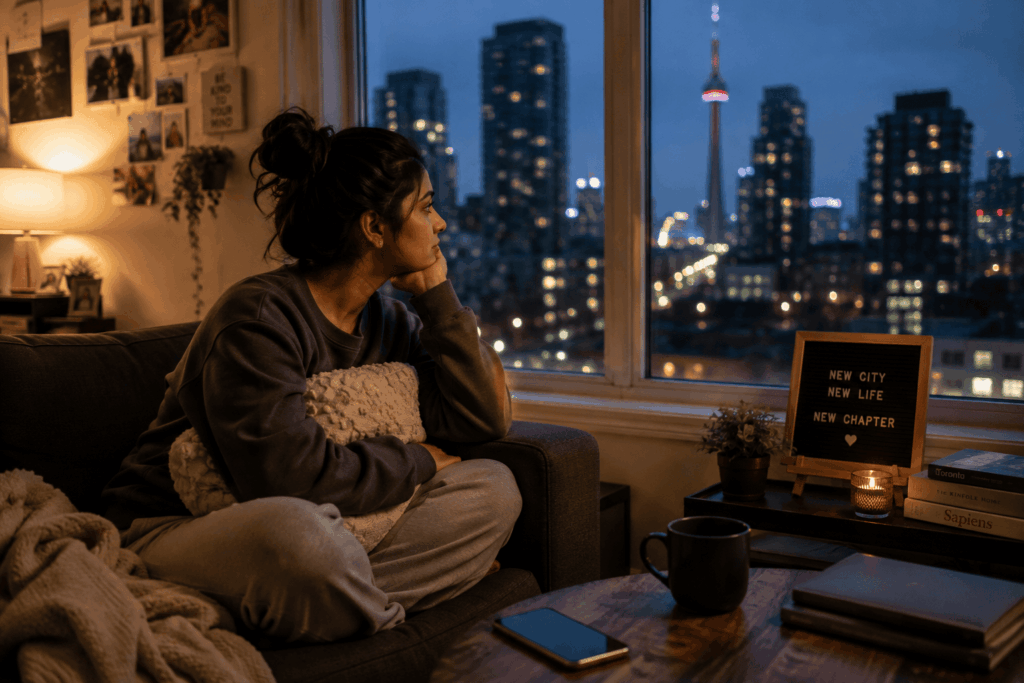
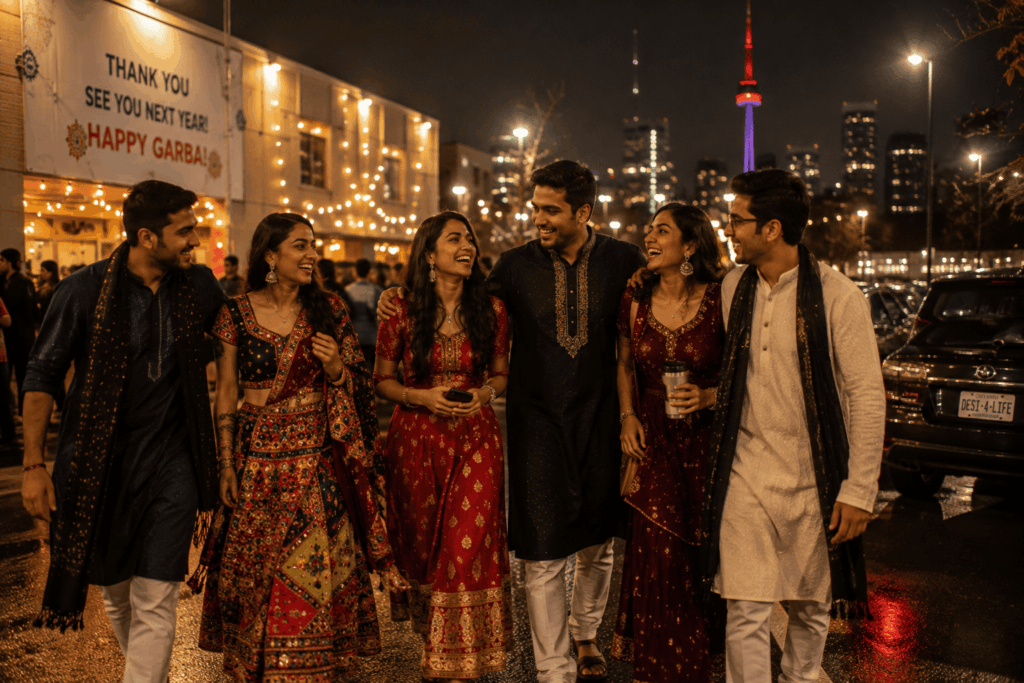
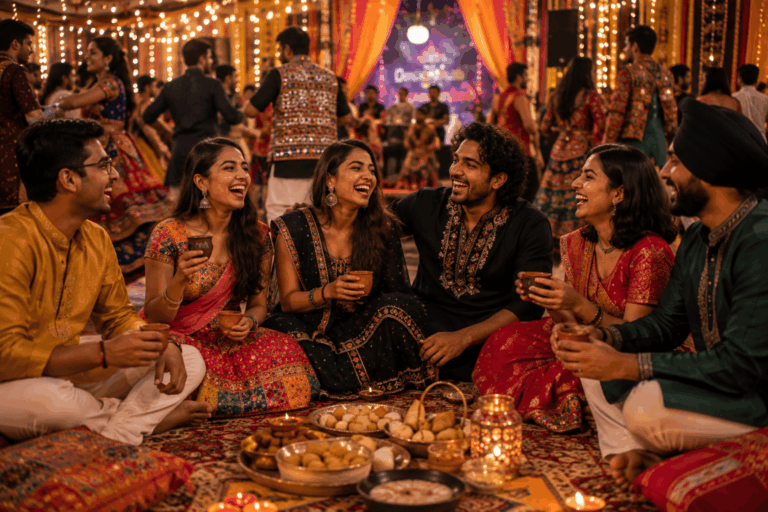
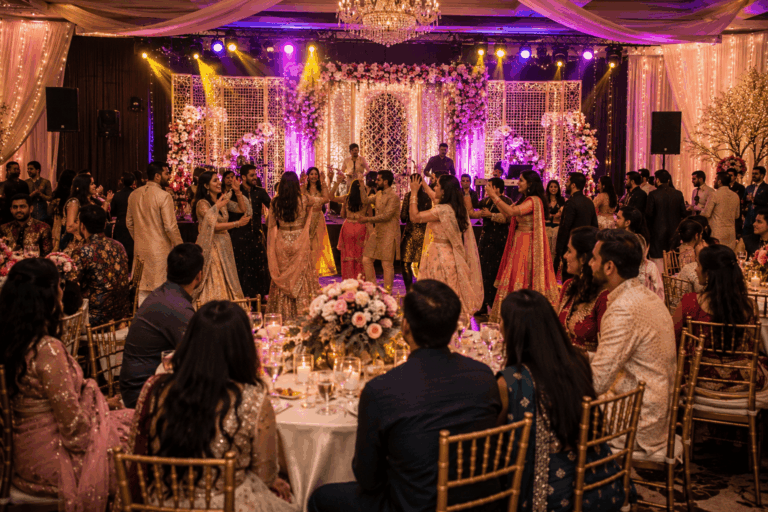
I remember one particular weekend, sitting alone after dinner following a long, exhausting work week, wondering if everyone else abroad had somehow already figured this whole “settling in” thing out while I was still struggling to make plans on a Friday night. And then, just a few months later, I was the one rushing to get ready because three different people were messaging me asking what time I’d be reaching the Garba venue, while someone else in the group chat was already arguing about who was bringing chai for the drive back home. Nobody wakes up one morning and suddenly realises they’ve built a community around themselves. It sneaks up on you in the smallest, most ordinary moments, and it’s only when you look back that you understand just how far you’ve actually come.
01 · WEEKENDS
My Weekends Stopped Feeling So Empty
I still remember what my early weekends abroad looked like. Grocery shopping would be done by lunchtime, the apartment would be cleaned, laundry sorted, and I’d have already called my parents,and somehow it would still only be four in the afternoon, with the rest of the day stretching out ahead of me with nothing in it.
Back home in India, weekends had never felt like this. Someone would casually call and ask if I wanted chai. Cousins would show up without any real plan, just because they felt like it. A late-night drive would somehow turn into dinner, then dessert, then conversations that lasted well past midnight without anyone noticing the time. Abroad, that same silence felt strange, not because there was nothing to do, but because I didn’t yet have people to do it with.
What actually changed things:
- I stopped waiting for an invitation and started going to things alone. My first community picnic, I knew literally no one. I went anyway.
- I picked one or two recurring spaces instead of hopping between random one-off events,a weekly cricket meetup, a monthly Garba practice. Repetition is what turns “a stranger I met once” into “a friend.”
- I said yes to the very first invitation I got, even when it was inconvenient, because I knew declining it meant there might not be a second one.
02 · COMMUNITY SPACES
I Stopped Feeling Like a Guest at Every Event
The first time I walked into a South Asian community event abroad, I felt completely out of place. I spent the first twenty minutes pretending to check my phone because walking up to a group of strangers felt far too awkward to attempt. I kept wondering whether everyone else already knew each other, and I seriously considered leaving early more than once that evening.
What I didn’t realise then was that I wasn’t just wandering into someone’s living room event. I was stepping into something much bigger and much older than me. Places like Ontario Khalsa Darbar in Mississauga, BAPS Shri Swaminarayan in Etobicoke, and Baitul Islam in Vaughan aren’t just religious buildings where people happen to gather. They’re genuine community infrastructure, built over decades, where langar is served to thousands every week, where festivals are organised months in advance, and where an awkward newcomer standing near the entrance is basically a tradition in itself.
What actually changed things:
- I volunteered. Handing out food at langar or helping set up chairs before an event gives you a reason to be there and a reason to talk to people, without the pressure of “making conversation” out of nowhere.
- I went back to the same venue repeatedly instead of exploring a different one every week. Familiar faces only become familiar if you keep showing up in front of them.
- I asked one specific, easy question when I met someone new,”how long have you been coming here?”,instead of hoping small talk would happen on its own.
03 · IDENTITY
I Started Calling Myself “South Asian” for the First Time
Back in India, I never really described myself as South Asian. I was Gujarati, or from Ahmedabad, or whatever felt specific enough to actually mean something. Abroad, that changed without me consciously deciding it should. I found myself standing at a festival next to Punjabi, Tamil, Bangladeshi, and Sri Lankan families, all of us dancing to the same songs, eating off the same buffet line.
There’s actual research on this, from a study on Toronto’s South Asian identity literally titled “Am I a South Asian, really?”, and it found that people in Toronto construct and use that identity far more actively than they ever did back in their home countries, becoming a shared label that crosses national and religious lines.
What actually changed things:
- I deliberately went to events outside my own subculture,a Tamil food festival, a Sri Lankan New Year celebration,instead of only sticking to Gujarati or Hindu spaces. That’s what actually built the broader identity, not just reading about it.
- I let colleagues and neighbours from other South Asian backgrounds introduce me to their circles instead of keeping my friend groups siloed by language or region.
04 · FESTIVALS
Festivals Started Feeling Like Celebrations Again
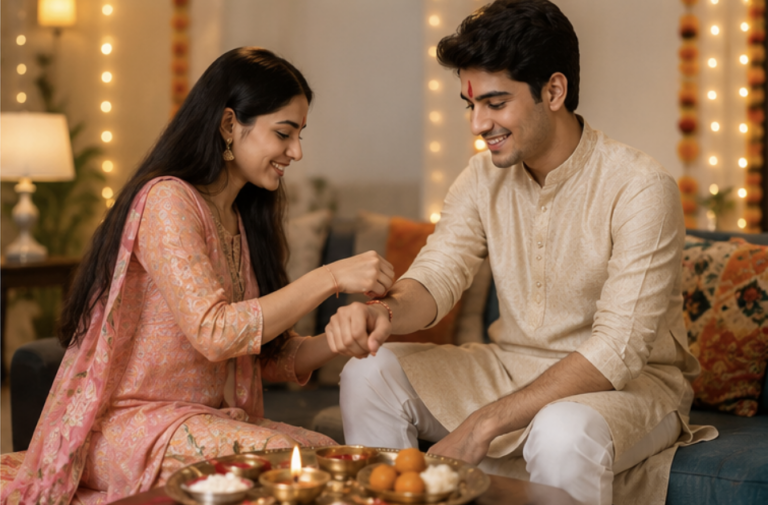
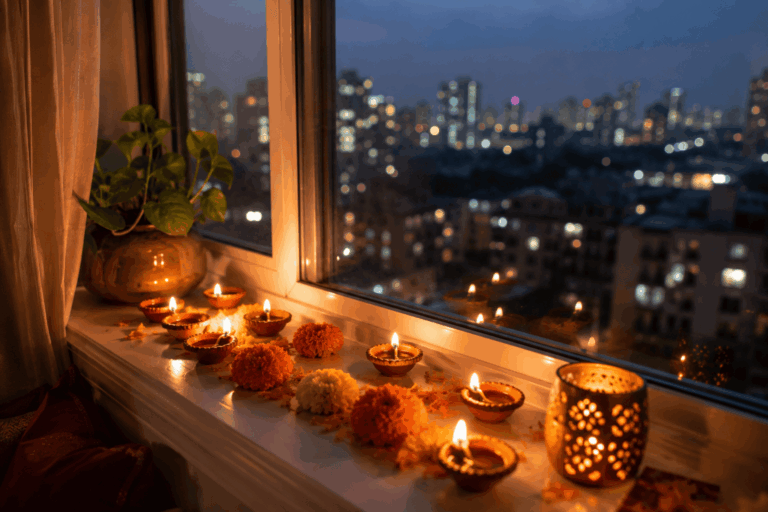
My first Diwali abroad was a strange mix of emotions I wasn’t fully prepared for. I missed the noise outside my window, I missed relatives dropping by unannounced. Then, one year, everything felt different. Instead of celebrating alone in my apartment, I was helping decorate a community hall with people I now considered close friends.
What actually changed things:
- I stopped trying to replicate India exactly and let the celebration be its own thing,a mix of people from different states, cooking different dishes, and that became the new normal rather than a lesser version of home.
- I offered to bring something specific to the potluck (not “I’ll bring snacks,” but “I’ll bring dhokla”) every single time, because a concrete offer gets remembered and gets you invited back.
- I started arriving early to help set up instead of arriving exactly on time as a guest. Setup time is where the real bonding happens, before the crowd shows up.
05 · BECOMING THE HOST
I Became the Person Who Said, “Come With Us”
For a long time, I thought the biggest milestone would be the day someone finally invited me somewhere. It turned out the real milestone was the day I became the one extending the invitation instead.
What actually changed things:
- When I saw someone post online asking where to meet other Indians in the city, I actually replied, with a specific event and a specific time, instead of just liking the post.
- I offered rides. A lift to an event removes the single biggest barrier for a newcomer,not knowing how to get there or feeling awkward walking in alone.
- I introduced new people to my existing friends by name, on purpose, instead of leaving them to hover at the edge of the group.
06 · TWO HOMES
Home Started Meaning Two Different Places
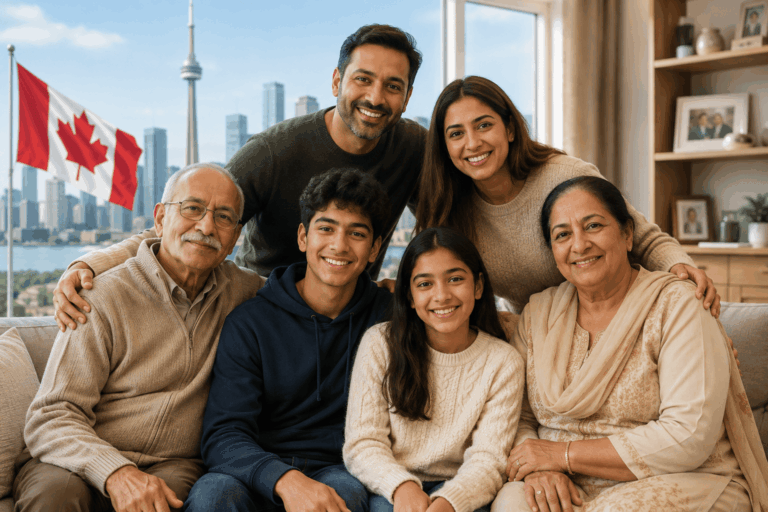
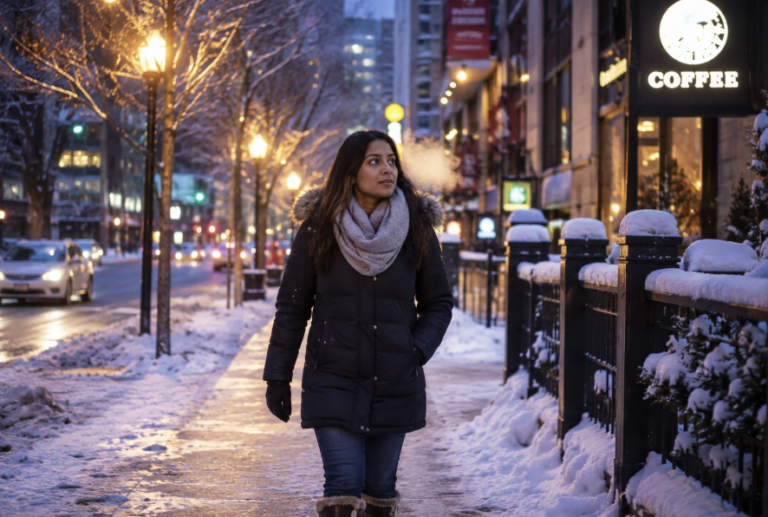
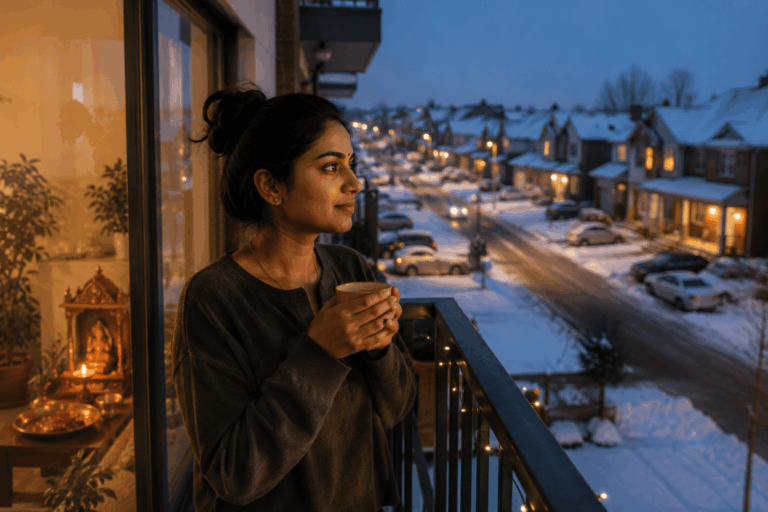
One day, someone casually asked me when I was going “home,” and for a second, I genuinely paused. India will always be home to me. But somewhere between that first lonely winter abroad and my hundredth weekend spent laughing with friends after a Garba night, another version of home had quietly appeared.
What actually changed things:
- I let a handful of people know my regular schedule,which gym class, which temple visit, which Friday hangout,so that my absence would actually be noticed. Community can’t check on you if no one knows your patterns.
- I kept showing up to the same small circle consistently rather than spreading myself thin across many loose acquaintances. Depth came from repetition with the same dozen people, not breadth across a hundred.
Community Isn’t Something You Find. It’s Something You Build.
If you’re still in that phase where weekends feel too quiet and every event feels a little intimidating, please don’t assume you’re doing something wrong. There’s a reason the GTA feels the way it does to so many of us,it’s genuinely one of the most linguistically dense regions on the planet, with over 200 ethnicities and 140 languages spoken at home, and Punjabi consistently ranking among Canada’s top mother tongues right after English and French.
If I had to boil down everything above into an actual plan, it would look like this:
- Show up alone, at least once. Waiting for a plus-one delays everything.
- Pick a recurring space, not a one-off event. Consistency is what turns faces into friendships.
- Volunteer or offer something concrete. A task or a dish gives you a reason to be there and a reason to be remembered.
- Step outside your own subgroup on purpose. Broader identity and broader friendships come from crossing those lines yourself.
- Say yes before you feel ready. Almost every friendship in this piece started with an invitation I almost declined.
- Become the one who invites. The fastest way to feel embedded in a community is to start pulling someone else into it.
None of these decisions felt particularly significant while I was making them, but months later, I could look back and see exactly how much they had quietly changed everything. If you’re still looking for your second home, it’s probably closer than you think,sometimes it just takes scrolling through JalsoLife and showing up to the next event to find out.


 Previous Post

